Dewatering pump rental Dubai contractors need below the water table
In much of coastal Dubai, groundwater sits only a few metres below ground. Dig a basement in Jebel Ali, Dubai Marina, Business Bay or along the creek and the excavation can start filling within hours. Add utility trenches, lift pits, rainstorm flooding and live sewer works, and water control becomes a daily job on many UAE sites.
APEX PRO rents dewatering pumps from 2 inch to 8 inch, in diesel and electric submersible versions, from our office in Saih Shuaib 2 near Dubai Industrial City, Jebel Ali, DIP and Dubai South. We deliver to sites across Dubai and the other six emirates, on daily, weekly, monthly or project hire.
Pump types we rent
Electric submersible pumps (2"–4")
Submersible pumps sit in the water, inside a sump or pit, and push water up through a hose. They are compact, quiet and suit continuous drawdown in lift pits, footing excavations and basement sumps. They need a power supply, either the site's temporary power or a generator. Choose a drainage pump for fairly clean water and a sludge or slurry version where sand and silt are heavy.
Diesel self-priming pumps (3"–8")
Skid- or trailer-mounted diesel pumps sit beside the excavation and draw water up through a suction hose. They need no external power, which makes them the usual choice for open trenches, large basements, flood clearing and remote sites. Self-priming designs restart on their own when the water level drops and rises again. The practical suction lift is limited to roughly 7–8 m, so the pump must sit close to the water level.
Wellpoint pumps
Wellpoint systems lower groundwater before the dig, not after it floods. A row of small-diameter wellpoints is jetted into the ground along the trench or around the excavation and connected to a header pipe. A vacuum-assisted pump draws water from all of them at once. Wellpoints work best in sandy soils, which are common in the UAE, and typically lower the water table by up to about 5–6 m per stage.
Typical flow ranges
Flow depends on pump size, total head (vertical lift plus friction in the hose) and the solids in the water. The figures below are typical guides, not guarantees:
- 2" pumps: typically up to about 20–30 m³/h, for small pits, lift shafts and seepage.
- 3" pumps: typically up to about 40–60 m³/h, for footings and small basements.
- 4" pumps: typically up to about 80–150 m³/h, for basements, trenches and storm water.
- 6" pumps: typically up to about 200–350 m³/h, for large basements and bypass work.
- 8" pumps: typically up to about 400–600 m³/h, for bulk drawdown, flood clearing and large sewer bypasses.
As head increases, flow drops. A pump that delivers its full rating at 10 m of head may deliver much less at 25 m. Tell us the depth of the dig, the hose length and the discharge point and we will check the duty.
Common dewatering jobs
Basement drawdown
Deep basements below the water table usually need water control from the first metre of excavation to the end of the waterproofing. The usual approach combines wellpoints or deep wells around the perimeter with submersible pumps in sumps inside the excavation. Pumping often has to run 24/7, so plan power, fuel and standby pumps from day one. Your geotechnical report and dewatering design set the target levels; we supply the pumps to meet them.
Trench dewatering
Utility and drainage trenches cut through the water table need water kept below the trench floor so pipes can be laid and bedded properly. Wellpoints along the trench line, moved forward as the work advances, are common in sandy ground. For short trenches or light inflow, a diesel self-priming pump working from a sump at the low end may be enough.
Sewage bypass
When a sewer line, manhole or pumping station is repaired, the flow must be diverted around the work. Sewage bypass pumping uses solids-handling pumps, sized for peak flow with a standby pump ready to start. Bypass work on live networks normally needs the owner's approval and a method statement, so involve the network operator early. We can supply pumps, hoses and fittings for the bypass; tell us the pipe sizes and the expected flow.
Storm water and flood clearing
Heavy rain in the UAE is infrequent but intense. Underground car parks, basements and low roads can flood quickly. Diesel self-priming pumps in 4"–8" sizes clear standing water fast without waiting for power. If your facility is exposed, consider keeping a pump on standby during the rainy months.
Planning a dewatering setup
- Discharge point and permits. Know where the water will go before pumping starts. Discharge to storm drains, sewers or the sea is usually controlled by the relevant authority. Your main contractor or consultant normally handles the permit; follow your site's HSE plan and the permit conditions.
- Silt control. Pumped groundwater often carries fine sand. A settlement tank or silt trap before discharge protects drains and helps with permit conditions.
- Power and fuel. Electric submersibles need reliable power; diesel pumps need a refuelling routine. For continuous duty, plan both around the clock.
- Standby. A single pump failure can flood a basement overnight. On critical jobs, keep a standby pump connected and ready.
- Hoses and fittings. Suction and lay-flat discharge hoses, couplings and non-return valves should be part of the order.
Monitoring a running system
Dewatering fails quietly. A blocked strainer, a split hose or an empty fuel tank at 2 a.m. can undo days of excavation. Simple routines help:
- Check water levels in sumps and observation wells at the start and end of each shift, and log them.
- Inspect strainers, hoses and couplings daily, especially in silty ground.
- Keep a fuel log for diesel pumps and refill before tanks run low.
- Watch for settlement near neighbouring structures, roads and services, and report changes to your engineer.
Service and breakdown cover
Pumps on long hires receive preventive service every 250 running hours. If a fault is reported before noon, a technician attends the same day or we send a replacement on the next run. A risk assessment and method statement are available on request.
Related equipment
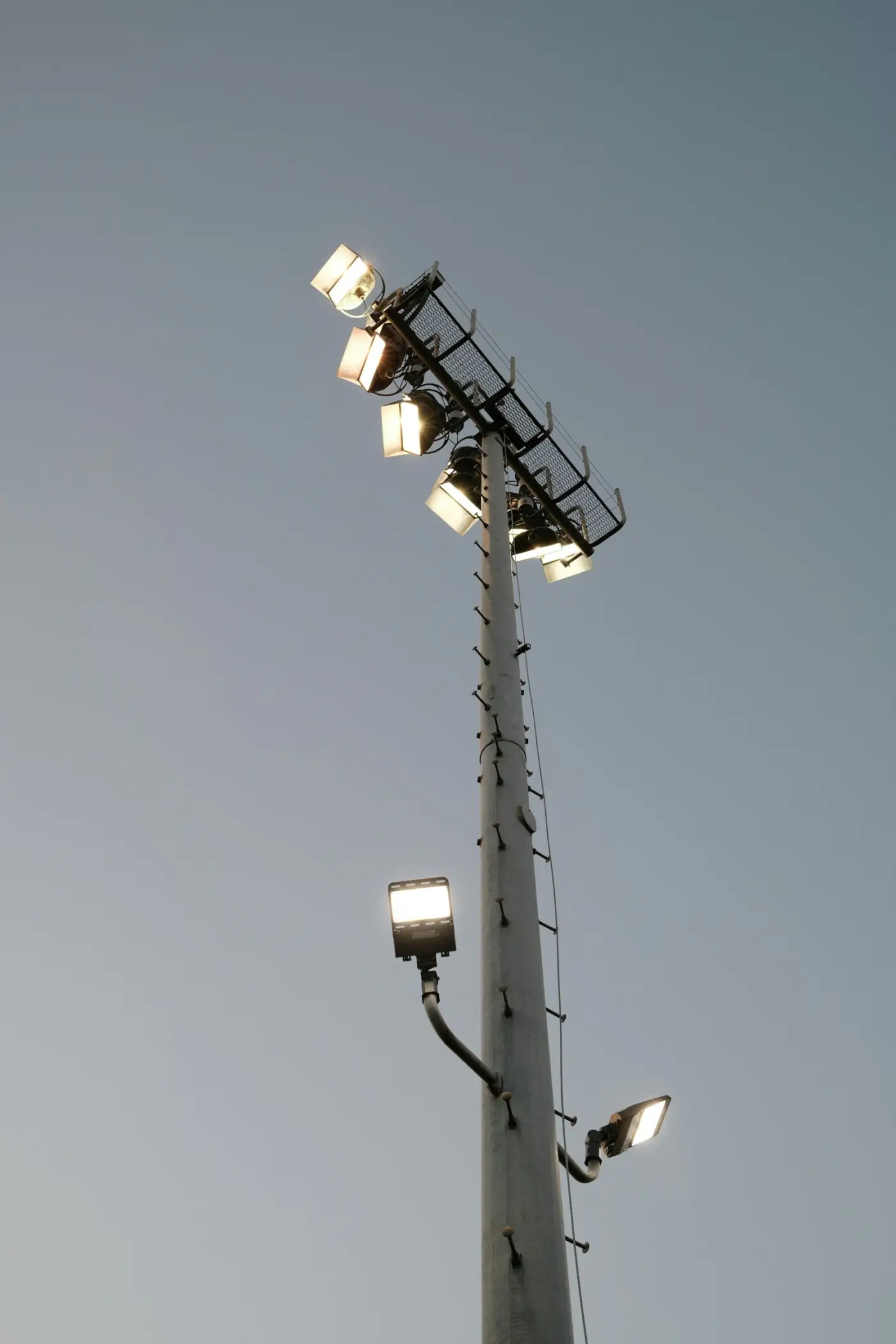
Dewatering rarely runs alone. Excavations below the water table need earthmoving equipment such as excavators and shovels, and night pumping is easier to monitor with lighting towers.
Get a dewatering pump quote
WhatsApp us on +971 50 275 6789 or +971 54 590 9555, email hire@apexprouae.com, or use the contact page. To size the pumps we need the site location, the excavation size and depth, the expected water level, the discharge point and distance, and whether the water is clean, silty or sewage. Our written rate shows pumps, hoses, delivery and fuel as separate lines.
Typical dewatering pump sizes on hire (flows are typical; actual flow depends on head and solids)
| Size | Type | Typical flow (m³/h) | Typical use |
|---|---|---|---|
| 2" | Electric submersible | Up to about 20–30 | Lift pits, small sumps, seepage |
| 3" | Electric submersible or diesel | Up to about 40–60 | Footings, small basements |
| 4" | Diesel self-priming or submersible | Up to about 80–150 | Basements, trenches, storm water |
| 6" | Diesel self-priming | Up to about 200–350 | Large basements, sewage bypass |
| 8" | Diesel self-priming | Up to about 400–600 | Bulk drawdown, flood clearing, large bypass |
| Wellpoint set | Vacuum-assisted diesel pump with header | Depends on ground and wellpoint count | Lowering groundwater along trenches and basements |
Figures are typical for each class, not a specific model. Tell us the height, load and ground conditions and we confirm the exact machine in writing.
Dewatering Pump Rental — FAQs
What size dewatering pump do I need?
It depends on the inflow, the total head and the solids. Small pits and lift shafts often need a 2–3 inch pump; basements and trenches typically need 4 inch; large excavations, flood clearing and sewage bypass may need 6–8 inch. Tell us the excavation depth, water level, hose length and discharge point, and we will size the pump for you.
What is the difference between a submersible and a diesel dewatering pump?
An electric submersible pump sits in the water and pushes it up; it is quiet and compact but needs power. A diesel self-priming pump sits beside the excavation and sucks water up through a hose; it needs no external power but is limited to about 7–8 m of suction lift. Many sites use both together.
What is wellpoint dewatering?
Wellpoint dewatering lowers groundwater before excavation. Small-diameter wellpoints are jetted into the ground around the dig or along a trench, connected to a header pipe, and pumped by a vacuum-assisted pump. It suits sandy soils, common in the UAE, and typically lowers water by up to about 5–6 m per stage, keeping the excavation dry and stable.
Can dewatering pumps run 24 hours a day?
Yes. Basement drawdown and sewage bypass often run around the clock. Plan reliable power for submersibles, a refuelling routine for diesel pumps and a standby pump on critical jobs. Pumps on hire receive preventive service every 250 running hours, and a fault reported before noon gets a technician the same day or a replacement on the next run.
Do I need a permit to discharge pumped groundwater in Dubai?
Discharge to storm drains, sewers or the sea is normally controlled by the relevant authority, and conditions often cover silt and water quality. Your main contractor or consultant usually arranges the permit. Check your site's HSE plan and permit conditions before pumping starts, and use a settlement tank to remove sand before discharge.
Do you rent pumps for sewage bypass?
Yes. Sewage bypass uses solids-handling pumps sized for peak flow, usually with a standby pump ready to start. Work on live networks normally needs the network owner's approval and a method statement, so involve them early. Send us the pipe sizes, expected flows and route, and we will quote pumps, hoses and fittings.
Last updated