
Operator training in Dubai built around real site work
Most site incidents with mobile plant come down to a few things: a missed pre-use check, poor ground, a load outside the chart, or someone standing where they should not. Our operator training in Dubai is built around those situations. Trainees learn on the same type of machines we hire out, so the controls, alarms and load charts they practise on are the ones they will meet on site.
Training suits:
- new operators who need a first course before third-party assessment;
- experienced operators moving to a new machine category, such as forklift to boom loader;
- supervisors, HSE officers and storekeepers who need to understand the machines and accessories they sign off;
- contractors who want their own staff to operate hired machines on dry hire.
Courses we offer
Manlift / MEWP training
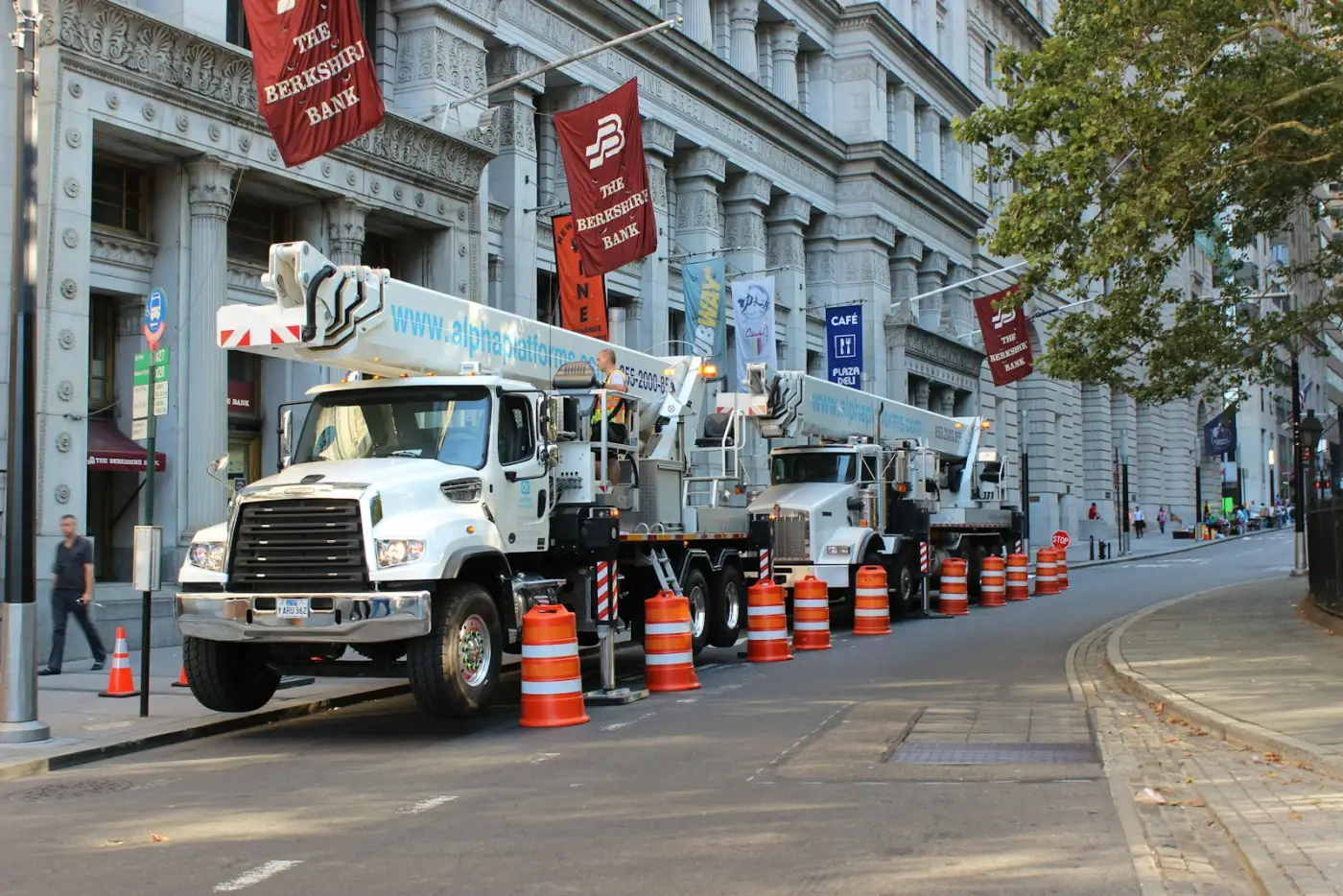
For telescopic and articulating boom lifts, scissor lifts and spider lifts. Covers machine types and their limits, pre-use inspection, ground and wind checks, harness use in the basket, travel and positioning, emergency lowering and rescue planning, and working near overhead hazards. Machines used match our boom lift and manlift rental fleet types.
Boom loader (telehandler) training
Covers reading the load chart, the effect of boom angle and extension on capacity, stabiliser use, fork and attachment changes, placing loads at height, and safe travel on rough ground. See our boom loader rental page for the machine class.
Forklift training
For counterbalance forklifts in yards and warehouses. Covers capacity plates and load centres, stacking and de-stacking, ramps and loading bays, pedestrian segregation, and daily checks on diesel and electric trucks. Machines are as on our forklift rental page.
JCB (backhoe loader) training
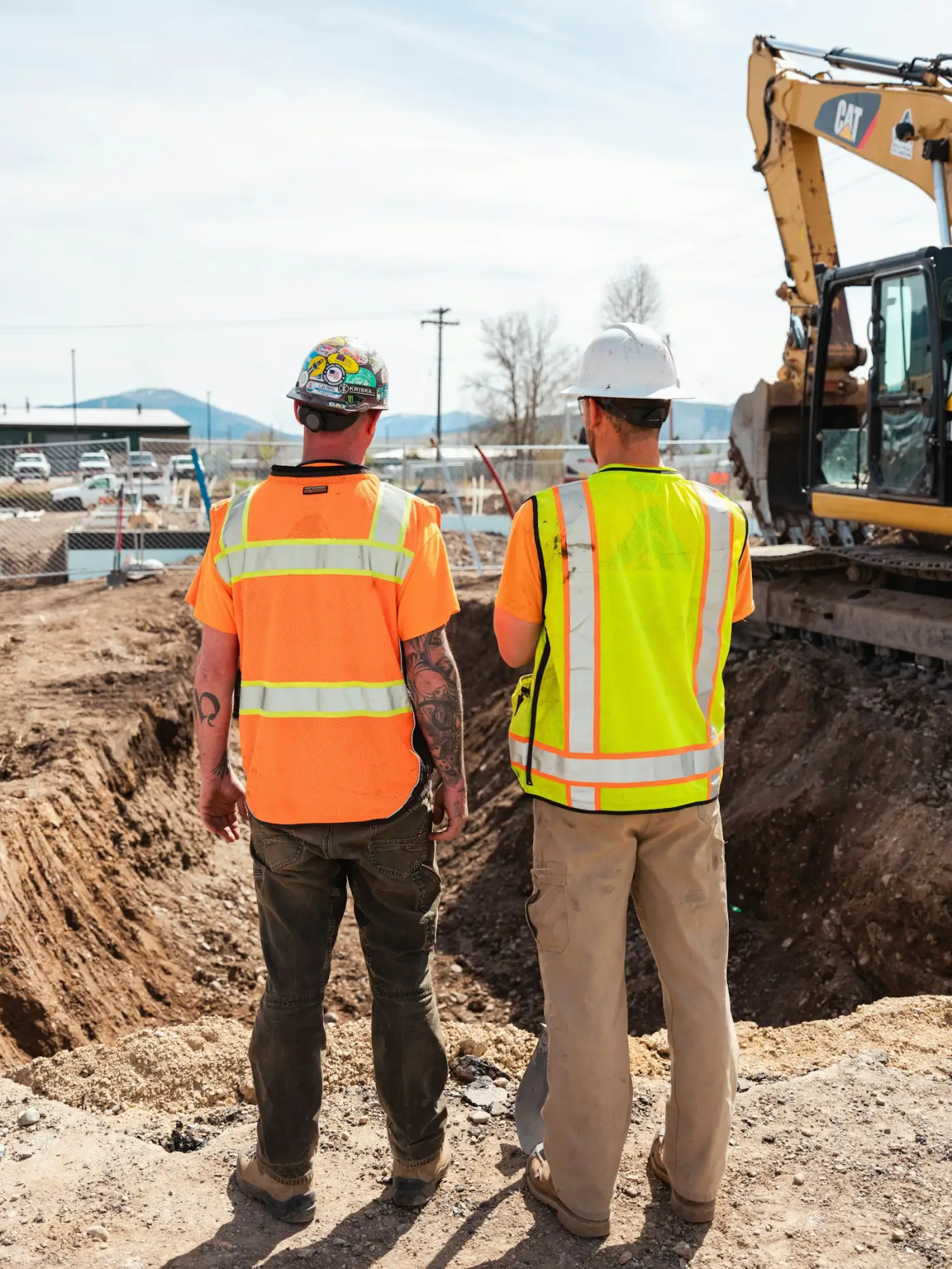
Covers the loader and backhoe ends, stabilisers, digging near services, trenching, loading trucks, and travelling between work areas. Trainees practise on a JCB-type backhoe loader, the same type we hire out for site work.
Rigging and slinging
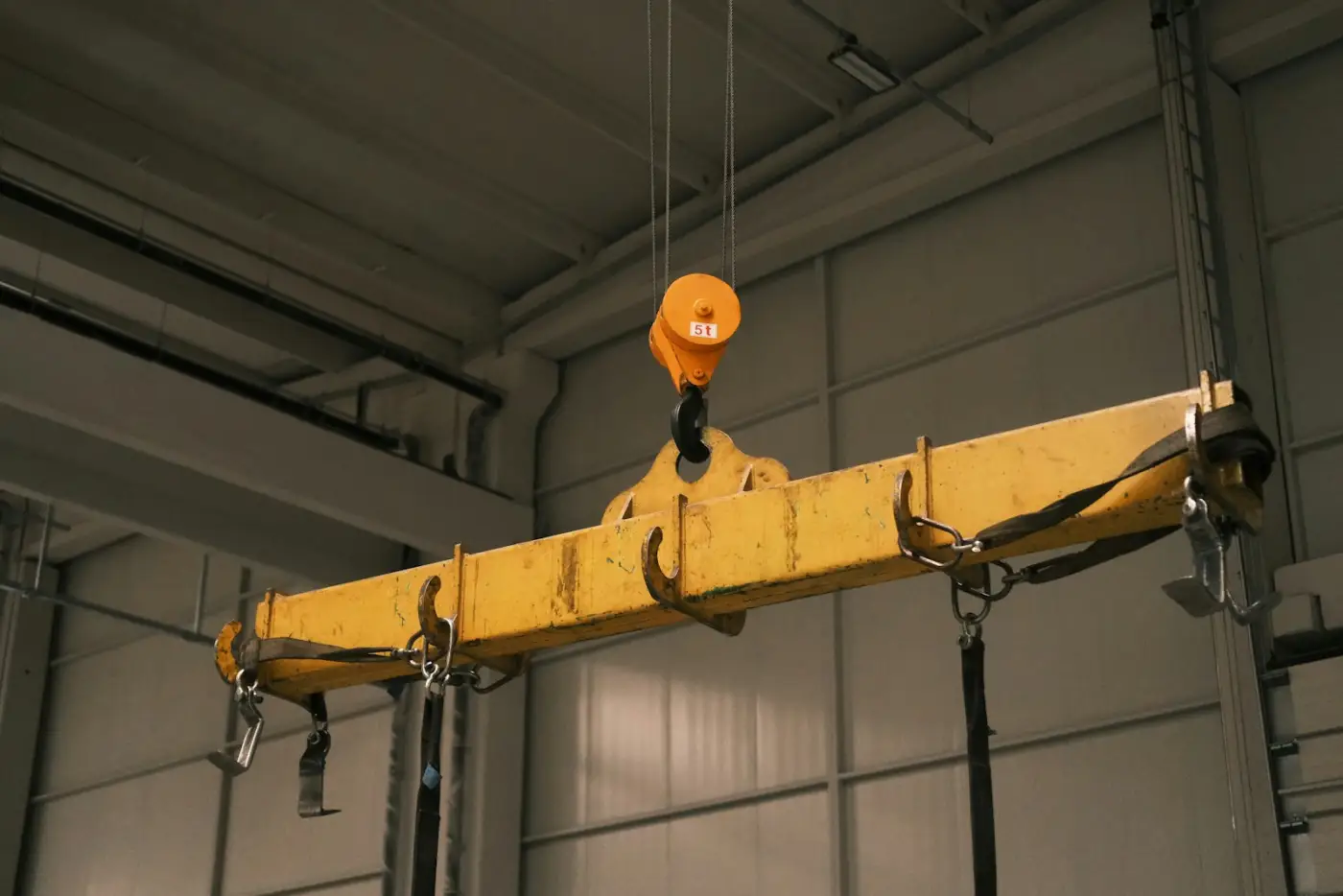
For riggers, slingers and banksmen. Covers estimating load weight and centre of gravity, choosing webbing slings, round slings and chain slings, the colour code and WLL label, hitch types and mode factors, shackle use, inspection and quarantine of damaged gear, and standard hand signals. Our lifting belts and slings page shows the accessories used.
Working at height
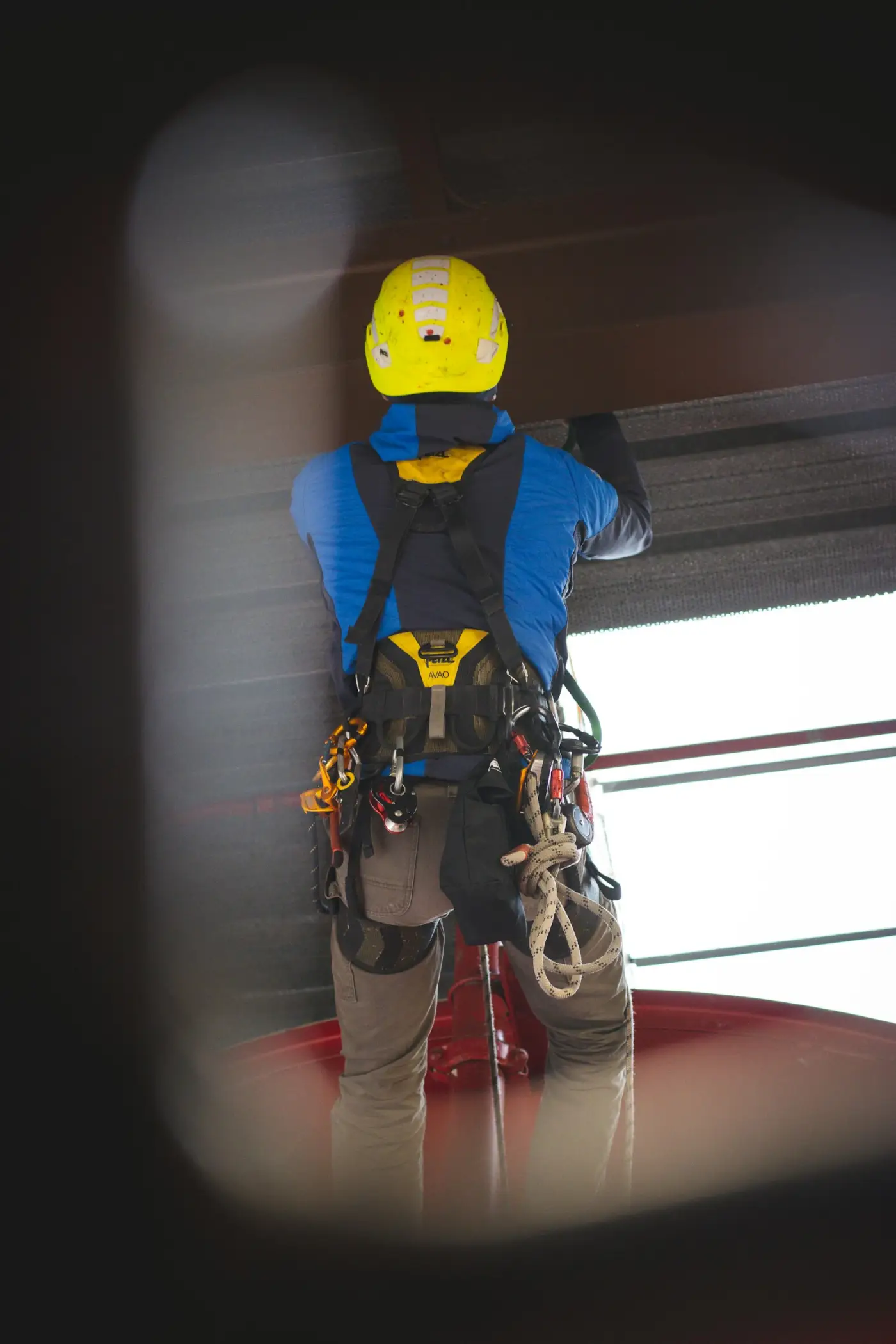
For anyone using a harness on a manlift, scaffold or structure. Covers the hierarchy of controls, fall restraint versus fall arrest, fitting a full-body harness, anchor points, lanyards and shock absorbers, clearance distances, the pre-use inspection, and why a rescue plan must exist before work starts. Harness types used are shown on our safety harness page.
How a course runs: theory and practical
Every course has two parts.
Theory. Classroom sessions cover the machine or equipment, the hazards, the controls, and the checks. Trainees learn to read load charts, capacity plates and labels rather than memorise numbers. A written or oral knowledge check follows.
Practical. Trainees carry out a pre-use inspection, then operate the machine or rig the load under the trainer's supervision through set tasks. The trainer observes and records each trainee's performance against the course criteria.
Group sizes are kept small enough that every trainee gets real time on the machine, not just time watching.
What the trainer checks in the practical assessment
The practical part is where most trainees either show they are ready or show what they still need to work on. Across all machine courses, the trainer looks for the same core habits:
- A thorough pre-use check. Tyres or tracks, hydraulic leaks, guards, emergency stop, alarms, the load chart or capacity plate present and readable, and any defects reported rather than ignored.
- Reading the ground and the area. Soft ground, slopes, trenches, kerbs, overhead lines and nearby people are spotted before the machine moves.
- Working inside the limits. Loads are checked against the chart for the actual radius or height, not guessed. Wind is checked before a manlift goes up.
- Smooth, controlled operation. No sudden movements, loads kept low when travelling, and the boom or forks positioned correctly before driving.
- Communication. Agreed signals with the banksman, clear stop commands, and the confidence to refuse an unsafe instruction.
- Shutting down correctly. Parking on firm level ground, lowering attachments, isolating and securing the machine.
For rigging and slinging, the trainer also checks that the trainee inspects every sling and shackle before use, picks the right accessory for the load and hitch, protects slings from sharp edges and keeps hands clear as the load takes the weight.
Keeping operators competent after the course
A certificate shows someone was competent on the day of the assessment. Keeping that standard on site takes a few simple steps from the employer:
- give new operators supervised time on site before they work alone;
- brief operators on each new site's ground, traffic routes and lifting rules;
- record pre-use checks every shift and act on reported defects;
- book refresher training when an operator changes machine type, has a near miss, or has been away from the machine for a long period;
- track card and certificate expiry dates so nobody is turned away at the gate.
Certificates: what trainees receive
| Outcome | What it means |
|---|---|
| Certificate of completion | Issued by APEX PRO to trainees who complete the theory and practical parts successfully |
| Training record | Attendance and assessment notes, available to the employer on request |
| Third-party (TPI) operator card | Can be arranged through a third-party certification company after training, subject to that company's own assessment |
The certificate of completion records the training. Many UAE sites also require a third-party operator card before someone operates a machine, and that card is issued by the third-party company after its own assessment, not by us. Check with your main contractor or HSE plan which card and issuing body your site accepts, and tell us when booking so we can plan the right route.
Booking training for your team
- Send us the course, the number of trainees, their current experience and your preferred dates.
- Tell us whether you need third-party certification arranged after the course.
- We confirm the course plan, location and price in writing.
- Trainees attend with their ID and site PPE (safety shoes, helmet, hi-vis; harnesses are provided for practical work at height).
- Certificates are issued after successful completion.
Our office is in Saih Shuaib 2, Dubai, near Dubai Industrial City, Jebel Ali, Dubai South and DIP. We work with companies across all seven emirates.
Training plus hire
Training fits well alongside a hire. If your team will run one of our machines on dry hire, they can train on the same type first. If you would rather not tie up your own staff, we can supply certified operators with the machine instead.
Book operator training
WhatsApp +971 50 275 6789 or +971 54 590 9555, or email hire@apexprouae.com with the course and number of trainees. Office hours are Saturday to Thursday, 07:00 to 19:00. You can also reach us through the contact page.
Operator training courses and what each covers
| Course | Main topics | Format |
|---|---|---|
| Manlift / MEWP | Pre-use checks, ground and wind, harness in basket, emergency lowering | Theory + practical |
| Boom loader (telehandler) | Load charts, stabilisers, attachments, placing loads at height | Theory + practical |
| Forklift | Capacity plates, load centres, stacking, pedestrian safety | Theory + practical |
| JCB (backhoe loader) | Loader and backhoe use, trenching, digging near services | Theory + practical |
| Rigging and slinging | Load weight, sling selection, hitches, WLL, inspection, signals | Theory + practical |
| Working at height | Harness fitting, anchors, lanyards, clearance, rescue planning | Theory + practical |
Figures are typical for each class, not a specific model. Tell us the height, load and ground conditions and we confirm the exact machine in writing.
Operator Training — FAQs
Do I get a certificate after operator training in Dubai?
Yes. Trainees who successfully complete both the theory and practical parts receive an APEX PRO certificate of completion for the course. If your site also requires a third-party operator card, we can arrange assessment with a third-party certification company after the training, and that company issues its own card.
Is the certificate of completion the same as a third-party operator card?
No. The certificate of completion records that the trainee finished our course. A third-party operator card is issued by an independent inspection or certification company after its own assessment. Many UAE sites ask for the third-party card at the gate, so check your site's HSE plan and tell us when booking.
Can you train our staff on our own site?
Tell us your location, the course and the number of trainees, and we will confirm whether training can run at your site or at our premises. On-site practical training needs a safe, suitable area and a machine of the right type, either yours or one hired from us for the training.
What should trainees bring?
Trainees should bring their Emirates ID or passport copy, and wear site PPE: safety shoes, helmet and hi-vis. Full-body harnesses are provided for practical work at height. If the trainee already holds an operator card for another category, bring that too, as it helps the trainer plan the practical session.
Do you offer rigging and slinging training for banksmen?
Yes. The rigging and slinging course covers load weight and centre of gravity, choosing and inspecting slings and shackles, hitch types, reading the WLL label and colour code, and standard hand signals. It suits riggers, slingers and banksmen who work with cranes, HIABs and boom loaders on UAE sites.
Can experienced operators do a shorter course?
Experienced operators moving between similar machines, or needing a refresher, may not need the full beginner course. Tell us their experience and current cards when you enquire, and we will recommend the right course. The practical assessment still has to be completed for a certificate to be issued.
How do I book operator training?
Send the course, number of trainees and preferred dates by WhatsApp on +971 50 275 6789 or +971 54 590 9555, or email hire@apexprouae.com. We reply with the course plan, location and price in writing. Office hours are Saturday to Thursday, 07:00 to 19:00.
Last updated